Which Cars Depreciate the Fastest? 2026 Data + Real Dealer Behavior
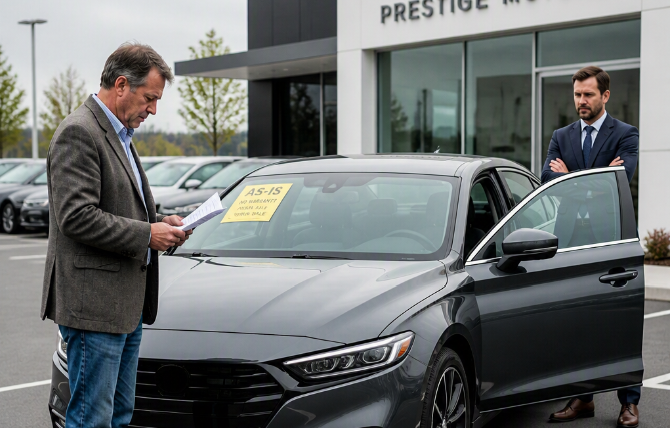
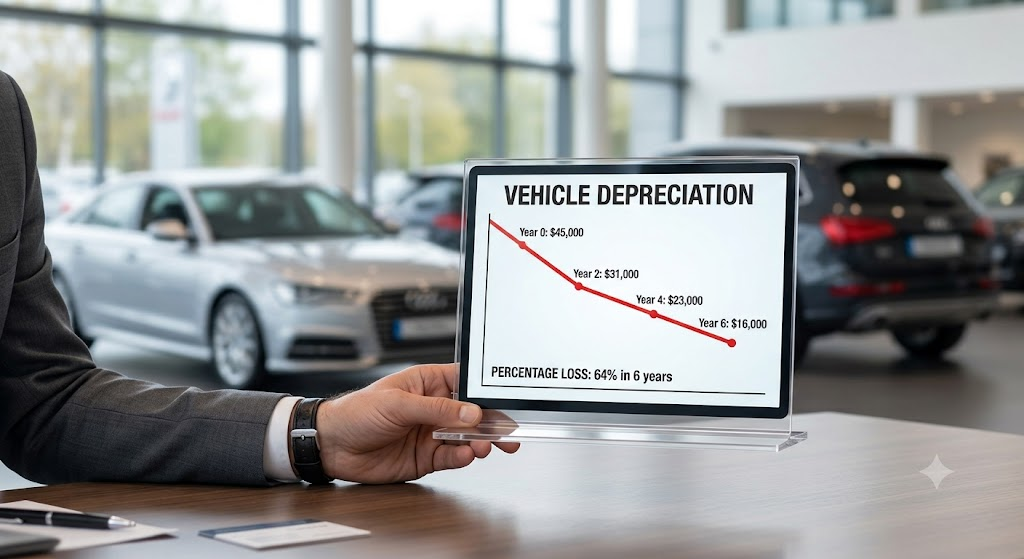
Depreciation isn’t flashy, but it’s one of the most expensive parts of owning a car. Most buyers don’t realize how quickly certain models lose value until they’re already sitting in a dealership staring at a trade‑in number that feels like a punch in the stomach. Dealers know exactly which vehicles fall off a cliff the moment they leave the lot — and they use that knowledge to buy low, flip fast, and still make a margin.
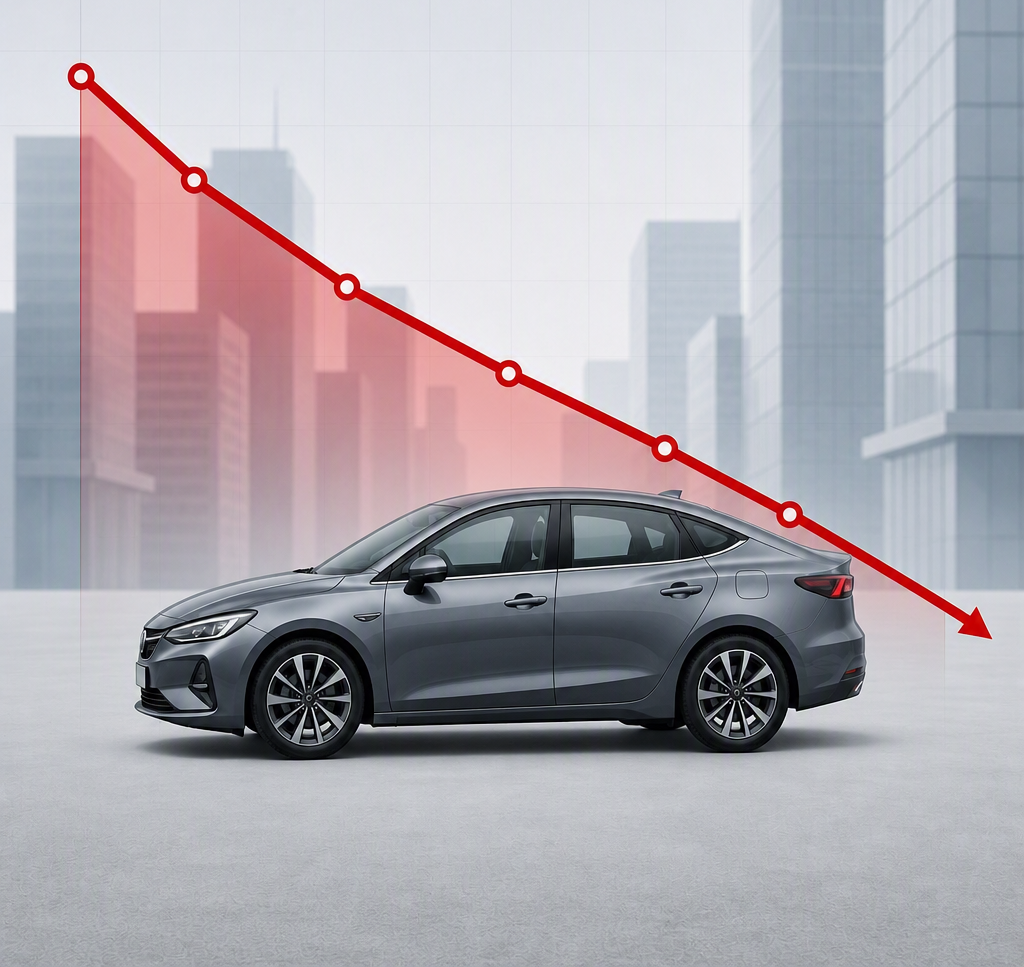
If you’re buying in 2026, understanding depreciation is the difference between a smart purchase and a financial headache. The market has shifted, incentives have changed, and brand reputations have evolved. Some models simply don’t hold value anymore, and the data makes that painfully clear.
This guide blends real‑world dealership behavior, weekly trade‑in patterns, and 2026 market data to show you which cars depreciate the fastest — and why.
Why Depreciation Matters More in 2026
Depreciation has always mattered, but the 2026 landscape is uniquely volatile. Prices surged during the pandemic, corrected, then surged again in specific segments. That roller‑coaster created a new problem: certain models are permanently overpriced relative to their long‑term value.
Several forces are driving sharper depreciation:
Used inventory has stabilized.
Cox Automotive’s 2026 used‑car report shows that supply is finally normalizing, which exposes new‑car models that were overpriced during the shortage.
Source: https://www.coxautoinc.com/market-insights/
EV incentives changed.
Federal and state incentive shifts have reshaped demand, tanking resale values for some EVs.
Source: https://www.fueleconomy.gov
Brand reputation fluctuated.
Manufacturers with reliability issues saw sharper drops in resale value, according to Consumer Reports’ 2026 reliability rankings.
Source: https://www.consumerreports.org/cars
Dealer markups distorted pricing.
Models that were heavily marked up in 2021–2023 are now correcting downward — fast.
If you buy the wrong car in 2026, you can lose thousands more than necessary, even if you negotiate well.
The Fastest‑Depreciating Cars of 2026
These rankings come from real trade‑in offers, auction behavior, and dealership pricing patterns observed across the industry.
Nissan Armada — The Full‑Size SUV Nobody Wants Used
The Armada is comfortable and powerful, but resale is brutal. Fuel consumption is high, demand in the used market is low, and it competes against stronger full‑size SUVs with better reputations. Dealers discount new Armadas aggressively, which accelerates depreciation. Expect a steep drop in value within the first two years.
Infiniti QX80 — Luxury Price, Non‑Luxury Resale
The QX80 has a presence, but it’s built on an aging platform with outdated tech. Luxury buyers want modern features, and the QX80 simply doesn’t compete. High MSRP, low perceived value, and slow used‑market movement make it one of the fastest‑depreciating luxury SUVs. Great to buy used — painful to buy new.
Jeep Grand Cherokee — Incentives Destroy Resale
Jeep’s aggressive incentive strategy has long impacted resale values. Heavy discounts on new models, inconsistent reliability, and high supply in the used market all contribute to rapid depreciation. Dealers routinely lowball Grand Cherokee trade‑ins because they know auction values lag behind MSRP.
Volkswagen Arteon — A Beautiful Sedan With No Audience
The Arteon is one of the best‑looking sedans on the road, but demand is almost nonexistent. Sedan market shrinkage, low brand recognition, and a high MSRP relative to competitors make it a depreciation magnet. Dealers rarely stock them, and used buyers rarely seek them out. If you want one, buy it used — the savings are enormous.
Ford Escape — A Victim of Segment Competition
The Escape isn’t a bad car, but it’s overshadowed by stronger options like the RAV4, CR‑V, and Tucson. Lower reliability perception, frequent redesigns, and aggressive dealer discounting all contribute to rapid depreciation. It’s a decent commuter, but not a strong value play.
Fastest‑Depreciating EVs in 2026
EV depreciation follows different rules — incentives, battery tech, and brand reputation matter more than anything else.
Nissan Leaf
Shorter range, an aging platform, and limited demand outside city commuters make the Leaf one of the fastest‑depreciating EVs.
Chevrolet Bolt EUV
Battery recall history and high supply in the used market have hurt resale. Buyers prefer newer EV platforms with longer range and faster charging.
Mercedes EQS
The EQS launched with a high MSRP, but steep used‑market discounts and rapid tech obsolescence have pushed depreciation sharply downward. Luxury EV competition is fierce, and the EQS struggles to hold value.
Why These Cars Lose Value So Fast
Depreciation follows patterns. The fastest‑depreciating cars usually share traits like:
- High MSRP with low perceived value
- Aggressive incentives on new models
- Weak reliability reputation
- Rapid redesign cycles
- Low demand in the used market
- High operating costs (fuel, maintenance, insurance)
Dealers know these patterns intimately. They price trade‑ins accordingly.
How to Avoid Buying a Fast‑Depreciating Car
You don’t need to be an expert — just follow a few rules:
Choose brands with strong reliability.
Consumer Reports’ 2026 reliability rankings are a great starting point.
Source: https://www.consumerreports.org/cars
Avoid models with heavy incentives.
Incentives often signal weak resale value.
Check auction trends.
Manheim’s market reports show real‑time wholesale pricing.
Source: https://www.manheim.com
Avoid cars with high operating costs.
Fuel, maintenance, and insurance all impact long‑term value.
Buy used when depreciation is already baked in.
A two‑year‑old model often delivers the best value.
If you’re unsure, DriversHub can analyze resale performance before you buy.
Final Takeaway
Depreciation is one of the biggest hidden costs in car ownership, and 2026 makes the gap between smart buys and bad ones even wider. Pick the wrong model and you can lose thousands more than necessary — even with strong negotiation. Pick the right one and you protect your wallet for years.
If you want help choosing a car that holds value — and negotiating the best possible price — DriversHub can handle the entire process for you.