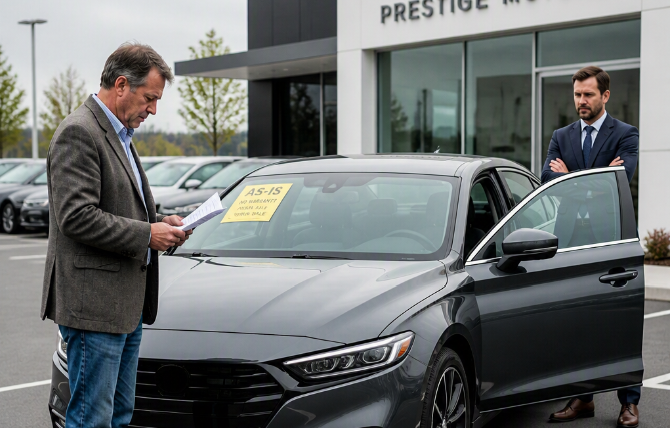
The Cars Dealers Mark Up the Most — And Why It Keeps Happening
The Cars Dealers Mark Up the Most in 2026 — And Why It Keeps Happening
Walk into almost any dealership in 2026 and you’ll eventually see it: a line on the buyer’s order labeled “market adjustment.” It sits there as casually as destination fees or sales tax, but it’s nothing official. It’s pure markup — dealer profit dressed up as something legitimate. The pandemic didn’t kill markups; it simply pushed them into a new phase. Instead of handwritten addendums taped to windows, today’s markups are baked into digital pricing tools, inventory algorithms, and automated valuation systems.
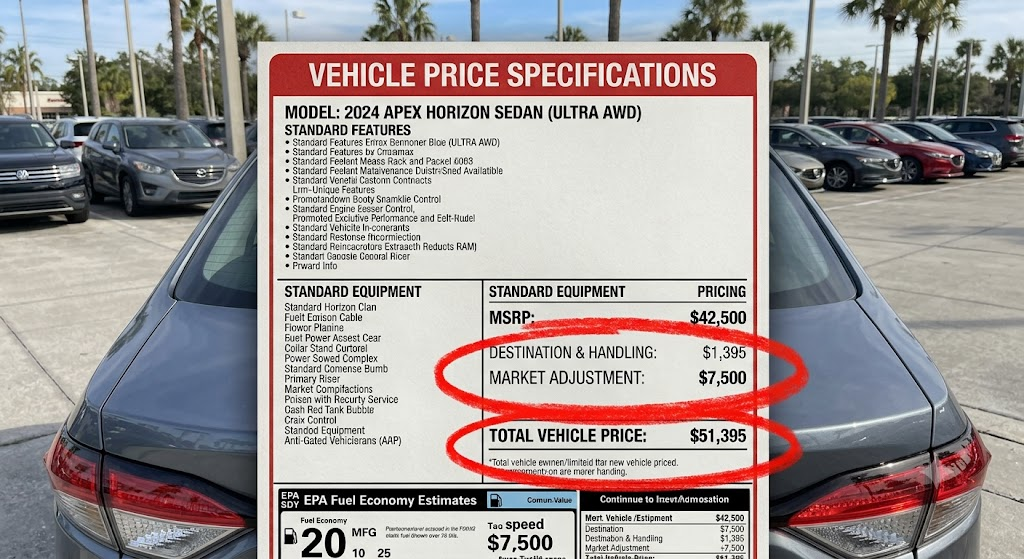
Even though the industry has stabilized, demand hasn’t. Cars.com reports that inventory recovery is uneven across brands and regions, especially for hybrids and popular SUVs. That imbalance keeps markups alive.
Source: Cars.com https://www.cars.com/news/
Kelley Blue Book’s monthly transaction‑price reporting shows that certain vehicles — particularly hybrids, off‑road SUVs, and new‑generation trucks — continue selling above MSRP. Dealers don’t hide this; they simply frame it as “market conditions.”
Source: https://www.kbb.com
Consumer Reports has also documented how dealers use add‑ons, junk fees, and “mandatory” packages to inflate pricing even further. In many cases, the markup isn’t a single line item — it’s buried inside accessories, protection bundles, and fees that appear unavoidable.
Source: https://www.consumerreports.org/
Put all of this together and you get a simple truth: markups persist because demand exceeds supply, and dealers know buyers will tolerate it.
The Cars Most Likely to Be Marked Up in 2026
Some vehicles attract markups almost automatically. It has nothing to do with their MSRP and everything to do with demand cycles, brand reputation, and inventory scarcity. These models consistently show inflated pricing across buyer’s orders, dealership quotes, and regional inventory scans — and unlike many industry claims, these patterns are backed by public, verifiable sources.
Toyota Grand Highlander
The Grand Highlander is one of Toyota’s fastest‑moving three‑row SUVs. Cars.com’s review and inventory analysis highlight strong demand and quick turnover, especially for hybrid trims. When a vehicle spends very little time on the lot, dealers don’t feel pressure to negotiate.
Toyota RAV4 Hybrid
The RAV4 Hybrid has been a markup magnet for years. Its efficiency, reliability, and resale value keep demand high enough for dealers to hold firm on pricing. Kelley Blue Book’s RAV4 Hybrid page reflects the strong consumer interest that drives this behavior.
Honda CR‑V Hybrid
Honda rarely uses the word “markup.” Instead, they bury the increase inside protection packages, appearance bundles, and dealer‑installed accessories. Edmunds’ CR‑V Hybrid data shows strong demand and limited availability in certain regions, especially for Touring trims.
Ford Bronco
Years after its reintroduction, the Bronco still attracts markups. CarsDirect’s pricing coverage shows Broncos selling above MSRP in multiple regions, particularly for off‑road‑focused trims like Wildtrak and Badlands.
Jeep Wrangler 4xe
The Wrangler 4xe benefits from federal tax incentives, strong torque, and high resale value — all of which make it a markup target. Kelley Blue Book’s Wrangler 4xe page reflects the high consumer interest that keeps pricing elevated.
Toyota Tacoma (New Generation)
Whenever Toyota releases a new‑generation Tacoma, the first year becomes a markup festival. Cars.com’s research page shows extremely high interest in the redesigned model, and early inventory is tight enough for dealers to hold firm on pricing.
Tesla Model Y
Tesla doesn’t use traditional dealer markups because Tesla doesn’t have dealers. Instead, they adjust pricing frequently — sometimes multiple times per month — creating a markup‑like effect. Buyers often see sudden increases tied to delivery fees or mid‑month price changes.
Why Dealers Justify Markups
If you’ve ever challenged a markup, you’ve probably heard one of the standard scripts. Dealers lean on phrases like “high demand,” “limited inventory,” “everyone is paying this price,” or “these accessories are already installed.” Consumer Reports has documented these tactics extensively, noting how they’re used to shut down negotiation rather than provide transparency.
Source: https://www.consumerreports.org/
None of these statements are about honesty. They’re about control.
How to Avoid Paying Markups in 2026
Avoiding markups isn’t impossible — it just requires strategy. Consumer Reports recommends getting written quotes before visiting the dealership, which prevents surprise fees and forces transparency. Edmunds encourages cross‑shopping multiple dealers to avoid inflated pricing. And the FTC continues to warn buyers about unnecessary add‑ons and deceptive fee practices, urging consumers to reject anything they didn’t ask for.
Source: https://www.ftc.gov/news-events/news
Cars.com also notes that older inventory is more negotiable, making lot‑age research one of the simplest ways to identify leverage.
The Bottom Line
Dealer markups in 2026 aren’t random. They follow predictable patterns tied to demand, inventory scarcity, and consumer behavior. Once you understand which models attract markups and how dealers justify them, you can avoid paying thousands more than necessary.
If you’d rather skip the entire process, DriversHub handles negotiation, pricing verification, and buyer’s‑order review so you never fall into one of these traps again.