The Truth About Dealer Fees: What’s Legit, What’s Fake, and How to Remove All of Them
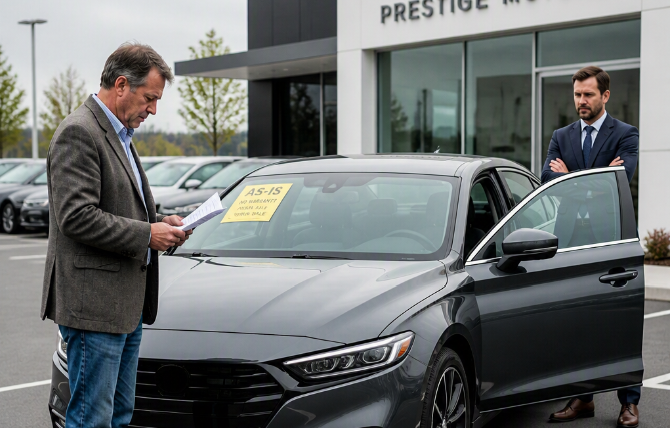
Walk into any dealership in 2026 and you’ll notice something strange: the paperwork matters more than the price on the windshield. Dealer fees have quietly become one of the most profitable parts of the car‑buying process, and most buyers don’t realize how much money is being extracted until they’re already deep into the transaction. Margins on new cars are thinner than ever, and as buyers have become more informed, dealerships have shifted their strategy. Instead of padding the sticker price, they pad the contract.
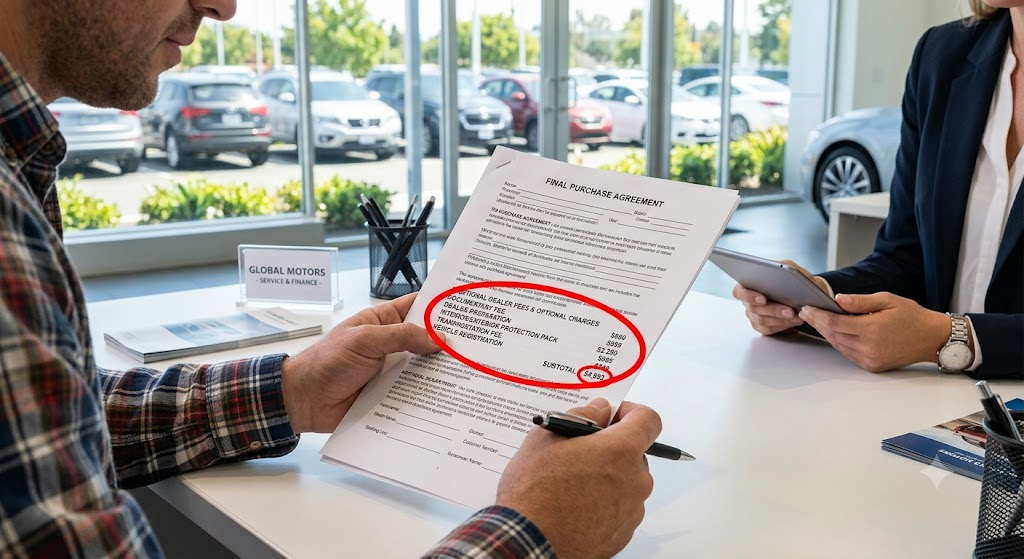
Understanding which fees are legitimate — and which ones are invented — is the single most effective way to avoid overpaying. Once you know how to read a buyer’s order, the entire game becomes transparent.
The Fees You Actually Have to Pay
Despite what dealerships imply, only a tiny handful of fees are truly mandatory. They’re regulated, standardized, and unavoidable.
The first is sales tax, which is set by your state and cannot be negotiated. It doesn’t matter which dealership you visit — the tax rate is the same everywhere.
California tax reference: https://www.cdtfa.ca.gov/taxes-and-fees/sales-use-tax-rates.htm
Next are title and registration fees, which cover the cost of legally registering your vehicle and issuing plates. These fees are also state‑regulated and non‑negotiable.
DMV reference: https://www.dmv.ca.gov/portal/vehicle-registration/registration-fees/
The third category is the documentation fee, which sits in a gray area. States allow dealers to charge it, but they don’t regulate the amount. Some states cap doc fees at modest levels — for example, New York limits them to $175 — while others allow dealers to charge whatever they want.
State fee reference:
You can’t remove the doc fee, but you can negotiate the vehicle price to offset it. Everything beyond these three categories is optional, no matter how official it looks on paper.
The Fees Dealers Invent to Increase Profit
This is where things get murky. Dealers create fees that sound regulatory, technical, or manufacturer‑required, but they’re nothing more than markups disguised as “packages” or “protection.”
The most notorious example is the market adjustment fee, which is simply a markup with a more professional name. Kelley Blue Book’s 2026 pricing analysis shows that market adjustments appear on over 20% of new‑car listings, especially on high‑demand hybrids and new‑generation trucks.
Source: https://www.kbb.com/
Then come the “service” fees — nitrogen tires, VIN etching, paint protection, interior protection, LoJack, dealer prep. None of these are required by the manufacturer, the bank, or the state. They’re optional products with enormous profit margins, often added without discussion. The Federal Trade Commission has repeatedly warned consumers about these add‑ons, noting that many are presented as mandatory even though they aren’t.
FTC reference: https://www.ftc.gov/reports
Dealers also love “mandatory accessory packages,” which bundle inexpensive items like wheel locks, door edge guards, or tint and present them as non‑negotiable. They aren’t. If the fee doesn’t come from the state or the manufacturer, it’s optional — period.
How Dealers Justify Fake Fees
Salespeople are trained to make optional fees sound unavoidable. They’ll claim every dealer charges them, or that the manufacturer requires them, or that the bank won’t approve the loan without them. They’ll say the accessories are already installed or that removing them would violate dealership policy. None of these explanations hold up under scrutiny.
Consumer Reports has documented these tactics for years, noting that many dealerships rely on “scripts designed to shut down negotiation by creating false urgency or false requirements.”
Source: https://www.consumerreports.org
The goal is simple: make the buyer feel like the fee is normal so they won’t question it.
How to Remove Fake Fees Without a Fight
The easiest way to eliminate junk fees is to demand clarity early. Ask for a clean out‑the‑door price before you visit the dealership. If the buyer’s order includes add‑ons or non‑mandatory fees, tell the dealer to remove them. Most stores will comply once they realize you know the difference between legitimate and invented charges.
A single sentence is often enough to shut down the entire fee structure:
“Remove all optional fees and add‑ons and send me a clean buyer’s order.”
If they refuse, walk away. Another dealer will say yes.
Negotiating over text or email helps because it removes pressure tactics and keeps everything documented. Getting quotes from multiple dealers forces competition and makes it harder for any one store to insist on junk fees. Consumer Reports recommends written negotiation specifically because it exposes hidden fees before they appear.
Source: https://www.consumerreports.org
DriversHub uses these tactics automatically, which is why our clients consistently avoid paying for anything that isn’t required.
Final Takeaway
Dealer fees fall into two buckets: the ones you must pay and the ones dealers hope you don’t question. Once you understand the difference — and once you insist on a clean buyer’s order — most of the junk fees disappear. The dealership’s greatest advantage is confusion; your greatest advantage is clarity.

If you want a fee‑free, markup‑free, stress‑free deal, DriversHub can negotiate the entire process and secure the best possible out‑the‑door price.
Topics