The Best Times of Year to Buy a Car: When Dealers Actually Cut Prices
Ask most people when to buy a car and you’ll hear the same recycled advice: holiday weekends, “big sales,” or whatever event the dealership is advertising that week. In reality, those promotions are designed to create urgency, not savings. The real discounts — the ones that meaningfully change the price you pay — happen during very specific windows tied to dealer quotas, inventory pressure, and manufacturer incentive cycles. Once you understand how dealerships operate behind the scenes, the calendar becomes a negotiation tool.
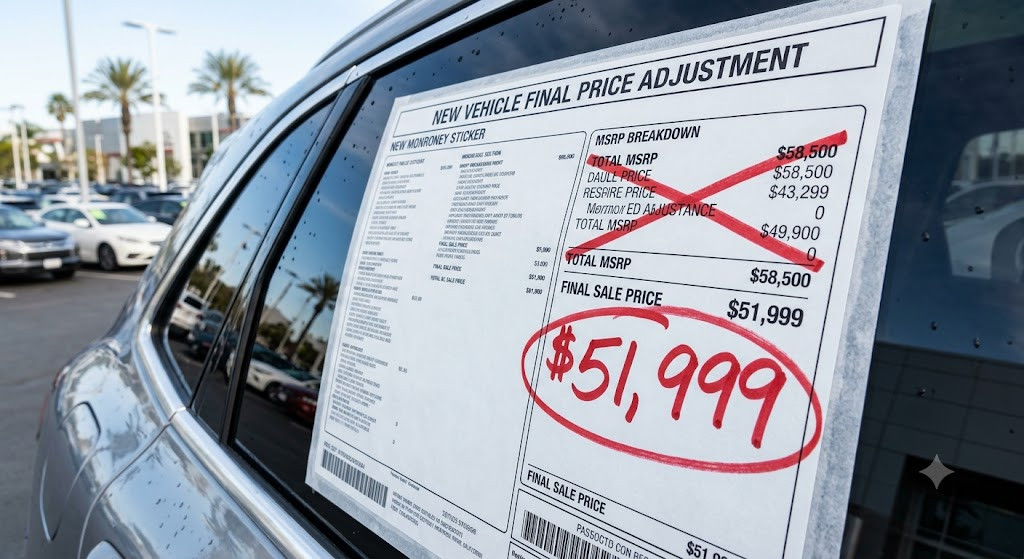
Dealers don’t negotiate because they feel generous. They negotiate because they’re under pressure. And in 2026, that pressure is more predictable than ever. Inventory turnover is tighter, manufacturer incentives follow structured quarterly patterns, and sales teams rely heavily on hitting monthly and quarterly targets to unlock bonuses. When those deadlines approach, pricing behavior shifts dramatically. Buy during the wrong week and you’ll pay more than you should. Buy during the right week and you can save thousands.
Why Timing Matters More Than Ever in 2026
The modern dealership runs on quotas. Every month, every quarter, and every year ends with a set of performance targets that determine bonuses, allocations, and even staffing decisions. When a store is behind on those targets, managers become far more flexible with pricing. Edmunds’ 2026 retail analysis notes that end‑of‑month discounts increase by an average of 8–12% when dealers are close to hitting sales goals.
Source: https://www.edmunds.com/industry/press/
Manufacturer incentives also follow predictable cycles. Kelley Blue Book’s incentive tracker shows that quarter‑end programs — especially in March, June, September, and December — routinely include larger rebates, lower APR offers, and more aggressive lease support.
Source: https://www.kbb.com/best-cars/top-10-best-car-deals/
When you combine quota pressure with incentive cycles, certain weeks of the year become far more valuable than others.
The Real Best Times of Year to Buy a Car in 2026
The Final Three Days of Any Month
If you had to choose a single moment to buy a car, it would be the last three days of the month. This window consistently produces the strongest discounts because dealers are racing to hit monthly sales quotas. A deal that felt impossible on the 20th suddenly becomes easy on the 29th. Managers override pricing more freely, add‑ons disappear, and negotiation becomes far more straightforward. Cox Automotive’s 2026 sales behavior study confirms that end‑of‑month closings spike because “dealers prioritize volume over margin during quota deadlines.”
Source: Cox Automotive Study 2026
The Last Week of Each Quarter
Quarterly quotas matter even more than monthly ones. Manufacturers tie bonuses and future inventory allocations to quarterly performance, which means dealers will stretch further to close deals in late March, late June, late September, and late December. June and December are especially strong because they overlap with seasonal inventory shifts and mid‑year incentive refreshes.
Model‑Year Changeover (Late Summer to Early Fall)
When new model years begin arriving, dealers must clear out the previous year’s inventory. This creates some of the biggest discounts of the year, particularly on models that haven’t changed much between generations. Consumer Reports notes that late‑summer clearance events routinely produce thousands in savings, especially on sedans and SUVs with high inventory.
Source: https://www.consumerreports.org
The sweet spot typically runs from late August through October. If you don’t care about owning the newest model year, this window is gold.
Slow Weather Days
It sounds almost too simple, but it’s real: bad weather creates good deals. Rainy days, extreme heat, or anything that reduces foot traffic makes dealers more flexible. Empty showrooms put pressure on sales teams, and managers would rather close a discounted deal than close nothing at all.
The Week After a Major Holiday
Holiday weekends are crowded, chaotic, and full of marketing noise. Dealers don’t negotiate much because they don’t have to — buyers are already flooding in. But the week after the holiday is a different story. Traffic drops, quotas remain, and managers become far more willing to negotiate.
When Inventory Hits 45+ Days on the Lot
Some of the best deals aren’t tied to the calendar at all — they’re tied to the VIN. Cars.com’s 2026 inventory data shows that vehicles sitting on the lot for 45+ days become significantly more negotiable, and those over 75 days often receive additional factory support.
Source: https://www.cars.com/research/
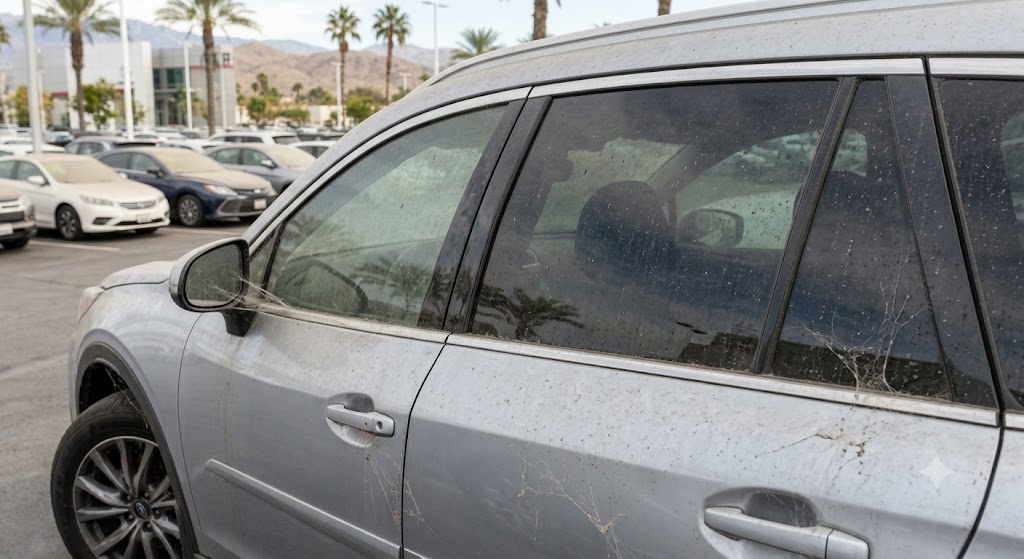
Dealers get bonuses for clearing aging inventory, and they don’t want cars sitting past the 90‑day mark. If you target older VINs, you can create your own discount window regardless of the date.
Times You Should Avoid Buying
Just as there are good windows, there are bad ones. Early in the month offers little quota pressure. Holiday weekends create high demand and low negotiation. New model launches attract hype and markups. Tax refund season floods dealerships with buyers who have cash in hand — and dealers know it.
Buy during these periods and you’ll pay more, even if you negotiate well.
How to Combine Timing With Negotiation
Timing alone isn’t enough. You need a strategy that complements the calendar. The smartest buyers request out‑the‑door pricing immediately, reject add‑ons before visiting the dealership, negotiate over text or email, and compare quotes from multiple stores. Consumer Reports recommends written negotiation because it exposes hidden fees and eliminates pressure tactics.
Source: https://www.consumerreports.org
Targeting VINs with 45+ days on the lot amplifies the effect of timing. When you combine aged inventory with end‑of‑month or quarter‑end pressure, negotiation becomes dramatically easier.
DriversHub uses these tactics every day, which is why timing becomes even more powerful when paired with structured negotiation.
Final Takeaway
The best time to buy a car in 2026 isn’t a holiday weekend or a flashy sale — it’s whenever the dealership is under pressure. End‑of‑month, end‑of‑quarter, model‑year changeover, slow weather days, and aging inventory create the strongest leverage points in the entire calendar. If you align your timing with these windows, you’ll save thousands without needing to fight for every dollar.
And if you want help timing your purchase perfectly — and negotiating the cleanest possible out‑the‑door price — DriversHub can handle the entire process for you.
Topics